Showing posts with label historical gaming. Show all posts

Wednesday, July 29, 2026

The Late Republic Era

The more I read the GURPS: Imperial Rome book, the more derivative Star Wars feels. The Late Republic Era, the end of the Roman Republic and the beginning of the Roman Empire, is one of the best untapped settings in gaming. You get tough, violent revolts, riots, conflicts between social classes, the inflow of immigrants, and generals marching on Rome to take over the government.

This is a period of Civil War, and it is far better than the muddled, confused, pop-culture mess we get in Star Wars. Soldiers loyal to generals rather than the state? Armies that could decide politics, and used political murder and seizing property as a tool? When a commander left Rome, another would siege the city and take power? Slave revolts in the tumult?

The whole system was breaking down. The Republic was never meant to run a Mediterranean Empire, leading to local generals who became as rich as kings with huge personal armies. Murder and confiscation became commonplace, making compromise harder. Corrupt tax farmers and a massacre i

And Caesar marched on Rome to "restore the republic" and was assassinated, opening the door for an empire? The people grew tired of the chaos and chose an emperor. Just. Fix it.

And the system turned on him.

And they got worse.

It sounds like today, with "lists of undesirables" being shared (be they landowners, rich, the opposition, and so on), and the angry and starving populace set loose on them by proxy. Personal armies of the wealthy run private security. Groups and street thugs formenting riots and civil violence. And the current government couldn't care less and lets the chaos and blood run free on the streets. Those who share the news are factionalized along each side. All this is out of ancient history.

They don't teach this anymore because it is being used as a playbook.

And if the Republic does nothing to stop it, the populace becomes more receptive to dictators to fix it. Letting chaos foment plays into the hands of those who wish to seize power for themselves.

Read history. All of this happened before.

Every Star Wars movie needs to end with the same set of scenes and repeat the same story beats. The entire Star Wars genre isn't a story anymore; it is a formula for a soda or breakfast cereal. I don't get these stories there. It has become a repetitive, predictable, beat-for-beat formula creation where action figures are shaken around in play fights and nothing ever matters. They use history to seed the idea, but they refuse to give us any of the good stuff.

Mithridates VI Eupator was their "Darth Vader" and existed outside the Republic, slaughtering hundreds of thousands in the provinces and waging war on the Eastern flank (in the Black Sea area, again, sounds familiar). This was also the origin of the archetype of the Eastern despot who used poison, mass violence, spies, assassins, and intrigue.

This set up a multi-year series of wars which trained generals in civil war, where generals got the idea they could rewrite the political map. Strongmen inside the Republic were created, setting up the roadmap for dismantling the Republic. The system ended up eating itself.

And forget doing this in D&D 5.5E. If someone doesn't throw up the X sign, the players will gate out to the planes and walk away. There are so many races everyone will be a fantastical outsider. Character builds outshine the setting. D&D is really only good for telling character-centric D&D stories.

GURPS gives me the configuration, control, and historical data to do this type of story right. I can limit magic. I can control backgrounds. The character design system supports campaign connections. Players must engage and interact with the campaign world. GURPS is a dream come true compared to the alternatives.

I am not fighting the system to tell a story like this.

This is how you fall down the rabbit hole of history. You find an era that fascinates you, that pop culture weakly tries to rewrite, and you find the real thing. The imitation now looks illiterate, and the real thing that actually happened is so much better.

Because it is all happening again.


Monday, July 27, 2026

GURPS Classic: Imperial Rome

Hugely underrated, and if I ask any AI about historical Rome gaming, GURPS Classic: Imperial Rome is always mentioned as a prime resource. While games like ACKS are "Rome-like" games, GURPS presents the real thing. And while the "Greek lineage" of fantasy tends to be more about monsters, magic, the gods, and myth, the "Roman model" is all about war, politics, lineage, rulership, empire, dominion, factional intrigue, riots in the streets, and power.

There are no monsters in the Roman model of roleplaying other than other humans, political factions, armies, and interests rooted in money and power. Monsters and major non-human factions would distract from the core purpose of playing in a Roman game, and even magic is a cheat that would circumvent the purpose of raw, brutal, and vicious political power. 

Modern D&D and its "magic and monsters" model does not do court intrigue that well. Even Star Wars, trying aimlessly to "simulate an empire," misses all of the intrigue and deep politics of the inner workings of a real empire, how it works, who supports it and why, and the motivations of those who stand to benefit from fostering and supporting such a system. Star Wars presents us with a "grand space wizard" who has force lightning and mental powers, and that is nothing in comparison to a true empire. Magic is distracting us from the "why" emperors maintain and hold power, a cheap and easy explanation we are told to buy into, and it breaks the story model.

Real empires? All about greed, money, power, faction, family, and control. Many times the power is an illusion, and those who question the illusion are deemed threats to the republic. Money and power are the root of all evil, and that never changes.

And a game in Rome is going to get dirty, since there are topics here that modern D&D frowns upon. Gender differences (based on marital status), slavery, and many taboo topics "inappropriate for today's audiences" are fully frontal and presented in the raw here. If you can't stomach historical gaming, then D&D and modern story gaming will be better for you. Don't get offended; it is what it is. We can't change history books because we don't like what is in them, nor should we, since we will end up repeating the same mistakes if we forget the lessons of the past.

There is a question of whether gaming is a proper place to discuss and explore these topics, but gaming has always been a safe place to explore difficult ideas like this while keeping our safe distance and perspective. The moment you confuse a game and reality (as corporate "identity gaming" seeks to do), these subjects become forbidden topics. If you can keep a proper distance and historical perspective, gaming gives you a way to explore very difficult themes in a safe, firewalled environment where you can live history the way it was and gain a perspective on where the world was and why we live in the world we live in today.

Also, a warning about the setting. Popular culture and Hollywood tend to paint the Roman era in very salacious and fantastical undertones for shock and spectacle. This isn't excusing what they did; they were evil in many senses of the word, but understand that much of the marketing and stories from this time are purely for spectacle and have little basis in reality. Also note that many of the accounts of the figures, events, and conflicts of the era are sparsely documented or presented by wildly biased writers. In a sense, this era was the birth of modern media, where what historians wrote was often used to control the record of the past to benefit a desired future. We are just left with the shocking accounts and twisted narratives serving a forgotten purpose, and those need to be taken with a grain of salt the size of a salt mine.

Again, another lesson that can be learned here is that history is written by the victors. You can get into a situation like with Caligula, someone that in the modern era "everybody knows" is a deviant madman, but all we know about him is through surviving accounts. What if the man was a young 24-year-old reformer who may have had a few issues, who focused on eliminating graft and corruption, and those who were "on the take" and profiting from the corruption ran him out of power by inventing salacious stories about him to turn the populace against him?

What do we know? The man had a very short reign as Emperor, and he was assassinated. Certain events were recorded as happening, such as wars and proclamations. Much was written about him posthumously, a lot of it salacious. He was replaced by a safer, more acceptable, older relative. Is any of it true? The events we can corroborate, such as wars, the line of succession, and other items recorded in records, are more likely true, while opinions from others with their own agendas are likely shaped by perception and the desire to create a narrative.

There will be places in interpretation where your view of the facts will be "just as true" as what anyone else has written. Know where the historical record is solid, and know where it becomes opinion and rumor. Find that line, and be cognizant of when you cross it, or if you need to.

A good historian will say, "we don't really know," and that what we read "could have been true" or "it could not." Trying to pin down history as something certain about something that specific, especially that far back, will have many problems. What we have in the historical record is what we have, and we can uncover a lot of truths there, but the more we deviate from "what we know for certain" is where the realm of interpretation and fiction are introduced, and our stories move into being less real and our take on what we see.

Understand the difference between the historical record and hearsay, and how that affects perception. Even the GURPS book mixed the "Hollywood version" of the setting, as seen in popular culture, with the historical record. It is unavoidable, since this is what we see in movies and TV, and often, real history is dry and boring. Use a time machine and drop someone from today into actual Rome, and it will likely be a boring, day-to-day existence, with them wondering, "Where is all the crazy stuff I saw on TV?"

Though, to be honest, why we play this setting is to see all that crazy stuff we saw on TV.

Saturday, May 16, 2026

Backerkit: GURPS Ring of Fire


https://www.backerkit.com/call_to_action/b9369f92-a3a3-4da2-b507-00a7eca112b6/landing

The location is Grantville, West Virginia. The year is 2000 . . . or is it? Residents of this quaint town suddenly find themselves transported to 1632 Germany during the Thirty Years’ War. What happens next? You’ll need to play GURPS Ring of Fire to find out!

Wow, color me surprised, a major Backerkit launch for GURPS? An alt-history extravaganza, crossing timelines, with a Larry Elmore cover?

Wow. Wow. Wow.

Linked, added to the sidebar, and please check this out if you are a huge GURPS fan. We are in for a great 2026! I am on board!

Monday, December 15, 2025

GURPS: Super Spies

We loved the old TSR Top Secret game back in the early 1980s. This was our first modern RPG, and it was quickly replaced by Aftermath, since that game did more of everything, and gave us far more bang-bang for the buck. But we had fun with the game, and it lasted alongside AD&D for a while. Star Frontiers and Aftermath took away all the time for this, and we quietly dropped the game for greener pastures.

There is an updated game, Top Secret: New World Order, but it has little to do with the original game mechanics. It looked fun, but I did not get into it after buying in. I would love to see a Kickstarter to reprint the OG Top Secret books and adventures in hardcover. I would support that.

Top Secret is an interesting game that was released in the late 1970s; it is very dated but cool in a retro way. It is a mix of Bond, the Mission: Impossible TV show, Dirty Harry, Charles Bronson, Three Days of the Condor, and other 60s and 70s British spy thrillers, mixed with American action movies.

The game seemed to have two personalities, one wanted to be the suave agent picking locks and wearing a tuxedo to a posh casino, and the other wanted to be a submachinegun-toting commando in a wetsuit on a daring commando raid. Many players used this as a modern combat game back in the day, forgetting the agent's style and class, dressed in a tuxedo and sipping a martini.

The 007 Game we had was fun, but we never really got into it. This game killed Top Secret for everyone else, since fans went for the real thing, and the TSR game was lost to the winds. I loved this game, though it had a few licensing issues, not being able to mention a few characters and organizations from earlier movies due to the IP's licensing mess at the time.

Yes, even licensed games can run into licensing issues.

This game flipped the script on the spy genre, and the classy agent was back, and machinegun combat was deadly and to be avoided. The game had far more tools to be cool, a robust skill system, and many things to do outside of combat. The Louisiana sheriff from the Roger Moore movies appears in the encounter tables, even as an overseas tourist, which is a hilarious footnote to this game.

It does sound familiar, since in GURPS, combat is deadly, as it should be.

There is also a retro-clone of the Victory Games spy game, minus the IP, with the rules cloned to the best of their ability. This is a cool game that captures the fun of the original and is recommended if you loved the 80s version and want to play an updated version today with a new rulebook. This captures the suave agent feeling of the 00-game; combat is deadly, and you get to do all the cool "spy things" with an updated and modern set of rules. Highly recommended if you loved the original game, plus you can get this in print from DriveThru.

Ninjas & Superspies was more my type of game, having grown up with UHF channels showing dubbed martial arts movies on Saturday morning, Chuck Norris and Bruce Lee films, and that 1970s Kung Fu vibe being the gold standard of being a super cool "bad dude." This also had all the toys, vehicles, modifications, and other genre gear, along with more martial art types than you could shake a fighting stick at.

Like the 00-game, Ninjas & Superspies has a robust skill system that gives you much more to do than "just shoot things." Many skill picks are given to you, ensuring competency in a bunch of areas of knowledge, like putting a GURPS character together with a series of templates. In the Palladium game, if you choose Guerrilla Warfare training, you get a bunch of skills and abilities you would pick up in that specialized training. In GURPS, you would pick a template with those skills. So the games are similar in how they create templates, but Palladium still relies on a class-based system.

I still play Ninjas & Superspies. The martial arts and moves in this game are fun. The game is dated to the 1980s, but that is not really a problem since that is when all the best movies, TV shows, martial arts movies, and action cartoons came out.

We have two excellent 3rd Edition sourcebooks that cover super spies and espionage! GURPS Espionage is the older book, and it offers some of the best campaign advice for running spy-based games. This book beats all the other games on this list for getting you deep into the mindset, lingo, and terminology of these services and agencies. The GURPS sourcebooks are superior to many of the spy games here, since they cover the subject rather than tripping over themselves writing rules.

I really love GURPS Espionage, and it is up there with Top Secret as one of my favorite spy supplements and games. The section on spy lingo at the end is worth the price of admission. Top Secret had a section like this, but this is much better and more complete.

There is also an Operation Endgame espionage adventure by the same author, available here.

GURPS holds up better than most of these games, and it is far better supported. If I were playing with an organized group in weekly play, I would go with GURPS. The rules and support are superior to most of these games, and you have the best character designs in gaming.

Spycraft, the D&D 3.5E spy game, I have but never got into. I love the comic-style art in this game, but, like anything in the D&D 3.5E era, it is rule-after-rule and too much game. There was a time in gaming when 3.5E was king, when everyone overdid it with rules, and it is still like that with 5E. Spycraft is still a heck of a game, and if you are into it, I envy you.

I only have time for one game this in-depth, and I choose GURPS.

I don't have the time for anything 3.5E these days without character creation software, and for me, GURPS does all of this more easily and with greater flexibility for my characters. Even GURPS feels rules-light compared to some of the games I have on my shelves, with only two core books, and most of the rules can be optional if you use GURPS Lite as your core system.

The other GURPS book is GURPS: Covert Ops, a more modern take on the genre, a world of special operators, and a more military-themed and Bourne Identity and Mission Impossible take on the genre. Where the earlier book was more the classic spy movies of the 1960s-1980s, Covert Ops feels more like the movies of the 1990s to today. This is another excellent book if you want to update your game to more modern tools and techniques.

GURPS and Palladium are simple core systems built around a straightforward success roll. Spycraft is super text-heavy, with page after page of character powers, feats, classes, and other choices to make. There are times when my eyes glaze over, and I can't even read a 3.5E game since there is too much text, too much to read through, and far too much to piece together. Of the games on this list, Spycraft is the most complicated, including GURPS in the comparison.

To do a good spy game, you need some reference materials and inspiration. There are plenty of books in the genre, and the obvious ones are obvious. Get yourself a movie encyclopedia and a guide on your favorite films, and you will begin to build a framework library to pull from. GURPS can do any of these sorts of "movie games" flawlessly and with outstanding historical accuracy.

Especially with the sourcebooks previously mentioned. GURPS: Action should not be overlooked either, for a more modern action-movie treatment, and this has the bonus of being written for the 4th Edition, full of templates and great genre advice for action movies, which many spy movies also fall into.

You would not go wrong by starting in GURPS Action, and then pulling in some of the technical talk and genre advice from the espionage books. This is the best route to go, since you get full 4th Edition templates, action-movie-like genre rules, plenty of suggestions on handling "spy stuff," and lots of other genre support. This is the best way to go in GURPS when doing a super spy game.

I would love to see all of GURPS Action in a nice hardcover.

The film guides are essential, since you may prefer a narrow range of films over others and want to set your game during a historical period, such as the 1960s, 1970s, or 1980s. Having the look and feel of those films will give your game and presentation much more authenticity, and they will also be helpful if you want to create characters and organizations inspired by some of the greats.

You can play in the era of a particular movie, or even replay the events of the film yourself and see how it comes out. My brother and I used to do this: go scene-by-scene through a movie, set a starting point and an end point for something the PC had to do, such as "escape the motorcycles chasing you," and then play through that scene using GURPS. We would then laugh as it came out completely wrong and move on to the next scene, the best we could do (if the characters were still alive).

Sometimes a dramatic change would happen, such as Oddjob being killed in an early scene, and we would have to replace him with a new NPC for the rest of the movie, like Chopjob, Oddjob's much thinner brother, who was into martial arts. Blame the PCs for losing the golf game; one of them tries to run Oddjob over with the golf cart, and they accidentally kill him.

Sometimes the PCs would die, and the "second team" would be sent in to replace them. "Major Kill" came in as a Connery-inspired cigar-smoking commando with twin Uzis and plenty of hand grenades, and he proceeded to shoot his way through every problem in Live and Let Die.

Those alligators never stood a chance.

I am also a film buff and historian, so I love all this trivia and period-piece information. There is a special magic to being able to pull this off, and not just default your games to "the current year." Given how countries and borders change, you may need an almanac or book on the era you are interested in, just to keep you grounded. There was once a place called Yugoslavia, which was part of the Warsaw Pact. China was not always a superpower, and it had terrible famines and internal struggles. The Soviet Union was often the big bad guy.

I could pull off a 1960s superspy game without it being campy or trite, and it takes a special sort of suave, debonaire attitude as a referee to make it happen. You need to get into the chic, swanky, bow-tie, Monte Carlo-exotic destination vibe of the postwar world. The world of the rich movers and shakers, the giants of industry, the generals and politicians, the spymasters, the hard-nosed reporters, the field agents, and the playthings of the rich. You are a VIP, someone nobody knows, but you turn heads with your calm attitude and perfect style.

GURPS would do this game very well, and it does not have to be 100% shooting and combat. A referee needs to be able to build tension, suspense, and run those ticking clocks the players are constantly working against. You need to provide clues, opportunities to sneak into hotel rooms and look around, chances to tap phones, search for eavesdropping devices, arrange clandestine meetings with contacts, and watch your targets in plain sight while pretending to be a tourist or high-stakes gambler.

And you need those cover skills! Don't tell me you are going to walk into Monte Carlo with an 11 minus in gambling and proceed to blow every roll and get laughed out the door, or stuck on the penny slots. And if you have no history or other interesting knowledge skills to "strut your stuff" on wines, history, public figures, political movements, art history, fine food, or other topics the bad guy may have an interest in - what will you talk about with him over the baccarat table? The weather? Sports? Movies? Speaking of sports, you need some good ones there too, like golf, tennis, alpine skiing, chess, horse racing, or other activities. You will need to do well and play a sharp game with whatever the bad guy is into.

Part of the problem with this game is managing a skill list that may grow as long as your arm. Secret agents are the worst skill monkeys in gaming, and the things they need to know to hold a cover or do well in casual conversation are daunting, to say the least.

Pick a cover occupation, a hobby, a sport, and an esoteric area of interest for your agent and focus on those areas. Do well in those, and don't try to do everything. Also, pick a combat style and a favorite weapon. Finally, select an area inside the agency to specialize in, such as investigations, security systems, breaking and entering, assassinations, technical specialties, vehicles, underwater operations, charm school, or other "agency expertise," and focus on that as your specialty.

The movie superspies tend to be Mary Sues who are instantly good at anything and everything, depending on what the writer needs. I never knew he was an expert lawn darts player! Who would have known he knew that much about the Ming Dynasty? I never knew he was a master go-kart driver. Beware of the films that make a lot of stuff up on the fly, and consider realistic experiences and character types.

With GURPS, you need to focus and narrow your specialties. This is more like Mission Impossible than it is 007, especially with lower point totals, so keep that in mind. There is nothing wrong with being a specialist in underwater demolition who enjoys waterskiing, competitive swimming, yachting, naval history, sailing, SCUBA diving, and survival. You will go on a lot of boat missions, but the bad guys tend to love yachts, so you will fit right in and be a tremendous asset.

Just make sure the rest of the players sort of know what areas you will focus on, since the "desert survival agent," and you will probably be fighting about what mission you want to be sent on. Building a team of agents to work across related areas will enhance your team's ability to collaborate and complete missions.

Just like in real life, specialists will be able to handle more dangerous missions, while generalists will be unsuited for anything other than basic applications of the skill. Sometimes, a general SCUBA skill will get the job done if all you need to do is swim onto the island undetected.

One player plays the SCUBA agent, another plays the face who goes to the party, another plays the party member who picks locks and breaks into safes, another plays the disguise expert, and another plays the team leader and mastermind.  If the team complements each other, the players will have more fun, and you will be able to switch between them when they break up, and keep that tension high. Suppose the VIP is trying to get back to his office, one player is distracting him, another is trying to pick the wall safe, and one keeps the security system disabled. In that case, it is a super high-tension moment and worthy of the type of game we are trying to run.

Vehicle drivers and gunners? Make them NPCs, and focus players on the people who will be "boots on the ground" in these mission areas. Otherwise, everyone else will be having fun at the party or sneaking in, while the chopper pilot sits there on his phone and waits for everyone. The player playing the door gunner will get bored and ask to strafe the yacht with machine guns and rockets.

This is a game type that requires a lot of coordination and planning on both the player and referee sides. You all have to be fans of the era you will be playing in, or else just default to the modern day. Your team needs to be designed to work together. Each character needs to be a well-thought-out person, able to work a cover job, while managing their agency specialty, and balancing combat skills for when things go wrong.

Also, you are more "designing a team" in party-based play than you are designing a single agent. There is a big difference between a single-agent game and a team-of-experts game. If you are playing solo, you will need to handle many contingencies while still excelling in a few key areas. If you are playing with a team, have a session zero where the group discusses who will cover what, and don't be afraid to steer them toward a direction you know will come up, or to point out if they leave a critical area uncovered.

"Okay, so the commandos parachute in, and you are dropped off at the trail at the base of the mountain since none of you know how to parachute. You arrive five hours later, too tired to walk, and Major Kill smiles as the villain's base lies in ruins around him as his commandoes clean up the mess. All right, agents, I found a few interesting things..."

This is one of the most complex types of games to pull off, since you need to be a super fan, know the system, and be able to design characters to fit those roles and work together. The referee needs to adjust the missions and challenges so players can succeed without throwing the whole team into the Arctic, where they have zero survival skills and will all freeze to death.

But if you pull this off, and you can balance the tension the genre requires with the sneaky-sneaky spy action, peppered in with tense combats with real stakes, you will have proven yourself to be a worthy mastermind of the superspy genre and adventuring.

GURPS really does have the best support for spy games in this entire list and history, primarily because you can focus a game on the Basic Rules and the spy books, start in Action to make it more like an action movie, and add the spy stuff from there. A good 25% to 50% of the entire GURPS library can also be used as support material, which is a considerable amount of information and support. Want bio-tech, cyborgs, martial arts, modern guns, military hardware, and the list goes on and on? You have it all.

You have your mission, agents, and there is no time to waste.

This blog will self-destruct in...

Monday, September 29, 2025

GURPS: Old West, Adventure Ideas

Yee-haw! Today, we are rustlin' up adventures and adventure ideas from a few different Western-themed RPGs and converting them all over to GURPS. There is a severe shortage of stock, no high-falutin' magic, none of that supernatural mumbo-jumbo, rough and tumble Western adventures, but there is gold in them thar hills if you know where to look.

So we are looking for Wild West adventures with no magic, and they don't have to be for GURPS. They just need a plot, characters, situations, and an adventure progression. A great campaign starting location is also a massive plus for our adventure cattle drive. We will do all the converting to GURPS ourselves; getting our hands dirty down here on the wagon train isn't anything new to us 3d6 cowboys.

The fact that I started this roundup with the classic Boot Hill meant something. Well, there are five solid adventures for that system, y'all can throw a lasso around and round up for your Old West adventure collections. These also have the advantage of being free from all that hocus-pocus magic and weird west tomfoolery, and they are a straight-shootin, rootin-tootin good time.

Now, Mad Mesa here is a solo adventure! This means you can create yourself a GURPS 4th Edition cowpoke, saddle hand, saloon gal, vagrant, cattle rustler, bank robber, or some other man with no name and run him or her through this adventure all by your lonesome! You can read the entries, make your choices, and perform minimal conversions to make all this work according to GURPS rules.

Heck, rustle up a free copy of GURPS Ultra Lite (GUL) if you wanna create bad guys for your six-gun to blast at! This is right fine for creating NPCs as well, and even vamints like wolves and rattlesnakes can be quickly thrown together using this little book of guidelines. This works seamlessly with the full GURPS rules, and will get you quick stats for any character in this here solo adventure, or any of these other adventures you rustle up.

I hear you saying, Prove it! Alrighty, here's my GUL rattlesnake for ya, using three levels as my base:

  • ST: Weak (8 HP, d6/2 damage)
  • DX: Agile (12)
  • IQ: Dull (8)
  • HT: Hardy (14)
  • Rattlesnake Skill: 2 levels (+8)
  • Rattler Poison: 1 level (+4)

Wut? Reading GUL, that rattler will attack at a -6 for a skill that needs training, so that blasted snake in the grass's base attack will be DX + skill - 6, or doing the math we get: 12 + 8 - 6, or a 14- to-hit. Pretty dangerous! It doesn't do much damage (d6/2 + 2), but the poison is where it gets you.

I used a skill level to give that varmint a special ability for rattler poison, which I am sure you could find in one of the GURPS bestiaries, but I treated it like a skill here for a quick-and-dirty pick. If a creature has a special attack or ability, treat it like a skill and throw a level or two at it. Note: Use a contested roll with the skill level for poison creature HT + skill - 6 versus character HT, which is 14 + 4 - 6 = 12- on a contested roll.

Yes, skills can utilize any ability, and even multiple ones, such as a giant spider with a web attack that has a to-hit based on DX and an entanglement level based on ST. And skill levels can be used to buy creature special abilities, attacks, and defenses. Damage? Use the STR table for the ability, plus levels of skill.

Of course, that snake is dumb as a box of rocks, so you could distract it by tossing a river stone past it and watching it snap at it, and that may give you a chance to bean that scaley viper with a camp shovel. Just remember to skin the thing for meat and its hide; the town trading post may give you a few buffalo nickels for that.

That rattler works with the full GURPS rules, too! And your players will be none the wiser, you are building these with the quick ruleset and not flipping through books to find this critter. This will mean faster play, a still true-to-GURPS experience, and using a supported and official system to guesstimate NPC and creature statistics. Guesstimate is one of those words that those folks from Philly use, and it means to spit in the wind and get a hankerin'.

If yer' not using GURPS Ultra Lite fer' your games, you are doin' a whole lotta work you don't need to be doin. Most NPCs and critters don't need to be designed using a fancy character sheet program, and these rules we got in this one-page game work just fine for 95% of anything you need.

Want more proof? Here's my GUL grizzly bear, and I will use five levels since these are supposed to be very dangerous predators of the wilds:

  • ST: Very Strong (18 HP, 3d6 damage)
  • DX: Agile (12)
  • IQ: Dull (8)
  • HT: Hardy (14)
  • Grizzly Skill: 2 levels (+8)

Woo doggy! That grizzly attacks on a 12 + 8 - 6 = 14- but does a whalloping 3d6+2 damage per hit.  This is a massive, legendary bear; for normal ones, I could do one less level of ST for 2d6+2 damage and 14 HP, and up the DX by a level.

Wait one second! You designed a rattler and a grizzly using the same GUL design system, and did it in less than a minute? And these work well enough with the main rules; no one knows the difference? That's faster than flipping through a 5E Monster Manual and taking 30 minutes to read a whole stat block! People who say GURPS is too complicated are full of hogwash. Making NPCs and monsters in GURPS is easier than 5E, B/X, or any other game on the market.

In fact, GUL is the key to quickly playing and converting these adventures on the fly, with a minimum of fuss and reference. Yes, if you have the GURPS Bestiary and want to run a full rattlesnake, be my guest, but this works just fine for our needs.

Pardner, I ain't doin' any more work than I have to so I can run these here Old West adventures, nor does having perfect stats matter all that much. Just look over yonder at D&D-land; they keep changing their monster stats every five years for the last fifty.

We got Mad Mesa, The Lost Conquistador Mine, Ballots and Bullets, Burned Bush Wells, and Range War for a complete campaign of adventures to play with GURPS Old West and the 4th Edition rules. You will get a decade of campaign gaming out of these five adventures alone, and they are worth checking out.

Some of these are right excellent campaign starters and home bases in their own right, with Ballots and Bullets featuring a small city as its home base of operations. While you can play through the main adventure, creating linked adventures for an epic campaign set in any one of these adventures would fill out a whole pickle barrel of adventure time for your cowpokes.

BH4 and BH5 are from the third edition Boot Hill, but they are still fine additions to your Wild West adventure library.

If I were looking for adventures and campaign starters, you couldn't get any more classic and good old-fashioned clean fun than these classic Boot Hill adventures. The old game's rules are so simple that they don't take up too much of the book, and you can just drop GURPS right in and make your own stories with one of the best generic universal role-playing games this side of the Rio Grande.

https://www.amazon.com/Definitive-TV-Western-Collection-Television/dp/B003ANP8CO/

Another downright mother lode of adventure ideas is any of these huge DVD collections featuring westerns, cowboy TV shows, and all sorts of rough-ridin' adventures. Sure, you've got to mess with those old-fashioned "movie disc" thingies, and maybe round up one of those movie disc players. If y'all can operate a remote and hook up one of those HDMI cables, you are gonna have a good time.

The quality won't be like a new-fangled 4K masterpiece, since some of these shows are as old as the hills, but all the work is gonna be done for you when you pop in a disc and turn an episode of some random TV show into a GURPS adventure idea.

Those writers from the golden age of Hollywood, creating these "moving pictures," will probably be tickled pink that you are reusing their plots and stories for your "silly dice games." And these TV shows are so old; none of your players are going to know better. Use the GURPS Ultra Lite system and create characters, no good outlaws, and critters from the stock footage included in these films, and you will have some right good gaming.

And if you can't get your hands on this, there are loads of 10 and 25 Western movie collections to get your grubby hands on, and you can score them used or dirt cheap at places like Oldies.com.

https://www.oldies.com/Western-Movies/collection.cfm

What is this? A place you can pick up Western TV shows on DVD for as cheap as $2 per disc? And the Blu-rays are $4 each? I will stop trying to sell you things now, and I won't be getting any money for it. However, deals are available, and there are some amazing collections and affordable discs to own. If you are a fan of the genre, you will love having these to enjoy. 

Additionally, physical media remains a viable option in an age of streaming services, where content can be easily taken away. People have lost entire libraries of films they thought they owned forever.

Popping in a TV show or movie you never saw in your favorite genre is a far better experience than YouTube or random scrolling to find entertainment. Plus, all these do qualify as adventure ideas, NPCs, locations, and scenarios for you to use in your games.

Other western games are hit and miss for adventures, such as the 2d6-based Rider and the Hero System Western Hero (WH). The WH game does have a 44-page section in the back with campaign information, a few scenarios, and adventure seeds, so this is still a worthwhile idea book for creating period adventures using Western tropes. This is not as useful a book as the Boot Hill adventures, which I recommend getting first, but it still has a few good bits in the campaign section, as well as maps of trains, buildings, houses, and other period locations.

Rider has a dozen pages of basic information on adventure creation, along with the familiar act structure. Most of the book is 2d6 rules and careers, so it is not as useful as adventures written for the genre. This is not as helpful for GURPS referees and is more akin to a 2d6 version of the Cepheus Engine, designed for playing Wild West games.

The book is enormous; most of it consists of 2d6 rules, but there are some nice d66 charts for encounters, patrons, and rumors. I wish there were more charts for creating solo adventures, plots, factions, and other Wild West scenario pieces. This one is not as useful, but it is still an interesting game. Western Hero is the better buy.

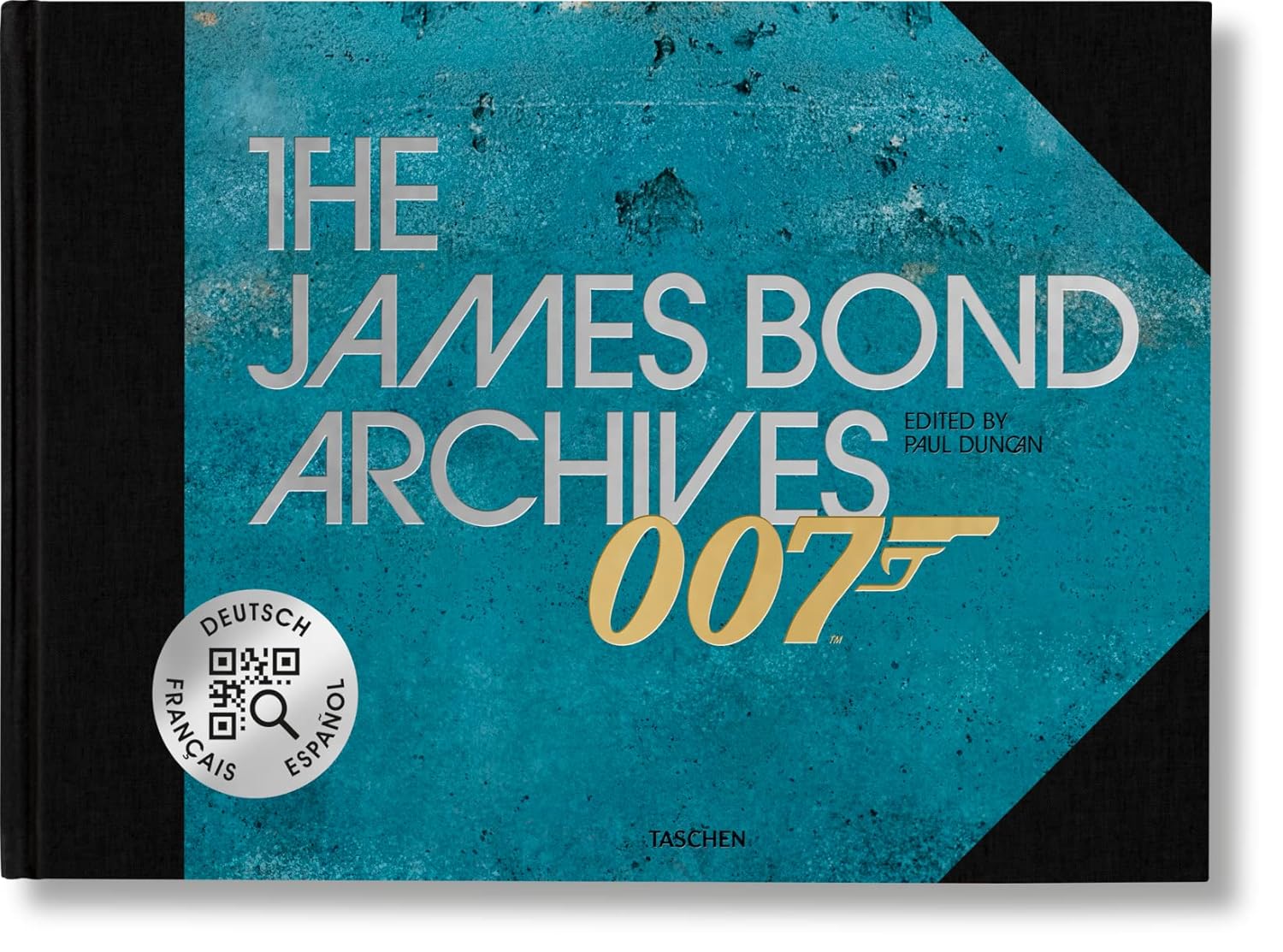
I know I am done selling things, but this is another book in my collection. There are times when beautiful coffee table books, like the one above, inspire me. Just looking at the illustrations, pictures, and reading the stories is worth more than a written adventure, film, TV show, or a game designed to cover the subject, but you need that extra thing to make it feel real to you.

The Old West is more than "playing generic fantasy" and spinning up cowboys to shoot things. It is a love of the genre, the tropes, being a part of a massive sweeping change, and those frontier stories of seeing the last open expanse on Earth being settled. This wasn't just "them 'mericans" doing the settling, either; this was the entire world flooding in as immigrants, the European powers, banks, and the crushing power of the world moving in on a massive land rush for what would become a nation.

But in this grand, sweeping, oil painting of moving West, one you would see on a saloon wall, there are moments for personal stories, struggles to survive, tales of souls fallen to evil, lawmen and those who bring justice, pioneers, settlers, trappers and hunters, wagon trains, cattle drives, saloon gals, railroad workers, share croppers, townsfolk so poor they lived in dirt hovels and sewed clothing out of burlap sacks, farmers, ranchers, investors, schoommarms, cowboys, marshals, bandits, and so many others living a dream in a grand experiment and moment in time that did not last forever, but left its mark on us all.

Playing an Old West game is more than simulating a cowboy movie or screaming yee-haw!

It is about a more profound love of the genre, of this being a uniquely "American fantasy" with legends, myths, stories, giants, gunfights, and a mythology all its own.

Friday, September 26, 2025

GURPS: Boot Hill

This will be a brief article.

Done.

Joking aside, the GURPS Old West book is a far more comprehensive resource for Old West gaming than can ever be imagined. Even if all you are doing is a casual, generic, Wild West gunfight simulation, GURPS has you covered. There is far more information, history, factions, technology, and functional adventure information in the GURPS book than Boot Hill could ever hope to deliver.

I like the GURPS Old West book a lot, and this is very well written. It is helpful for more pulp, TV shows, and serial cowboy action films as it is for a more gritty and realistic treatment of the genre. It is excellent reading and one of my favorite GURPS guides. You gain an appreciation for the hardships of life, the plight of the Native Americans, and the sweeping scope of change that moved across the country.

The period was part of the nation's formation, encompassing both its positive and negative aspects, as well as the transition from one way of life to the one we know in the modern centuries that followed. The story of every settlement, town, city, and place out West was one forged in fire and blood, a mass movement of people and settlers seeking a better life, some finding it, and many not.

The time was both the end of the strife of the Civil War, during which a nation forged the meaning of the word "freedom," and the beginning of a very hungry Industrial Age, where those freedoms were eventually realized after long struggles and hardships. The entry of the world into the Industrial Age led to displacement, a hyper-aggressive rush for resources, food, and land. The pressures of a shrinking world doomed those in its ravenous path.

Progress was the enemy.

If I were to play this, I would maintain that perspective. I would not gloss over the bad parts. Ignoring the struggle is a disservice to the entire fight, erasing the hardships that have brought us to our current state. We can't forget this and pretend it never happened. If the struggle is there, I want to acknowledge it and remember those who made sacrifices.

This may be why the safe opiates of fantasy are more popular.

https://www.amazon.com/Famous-Gunfights-American-West-Southworth/dp/1890778176

Boot Hill does have scenarios, but you could always find real-world accounts in history books to pull from. I would go by the history books for the classic gunfights, and don't worry about getting every weapon perfect. Stick to the most common types of guns, such as six-guns, shotguns, rifles, thrown knives, and lever-action guns, and things will work out fine.

I do feel the Western has held up as a genre stronger than Gangster movies, as we see the influence of the Western even today in modern films and TV shows, where that "gunslinger influence" and "Code of the Old West" can be seen in TV shows like the early Mandalorian seasons, and even TV shows like Fallout. If the traditional fantasy genre is "European D&D," then the Old West is "American D&D," at least in mythology, the role of the hero, and lore.

Plus, gunfights are tense, epic, and cool. In GURPS, they mean something, and you are not using a short rest to heal off a shotgun blast to the face. I swear, modern 5E has a reality disconnect that drives me up a wall, and while they may present realistic art (and even games that pretend this is gritty and real), none of it is true. D&D 5E lies to you in that you can get seriously hurt, die, and it doesn't matter.

You respawn in 5E like a video game.

In GURPS, injury and death are real and matter. The stakes are raised. The battles are tense.

Gunfight mechanics and weapons matter. Track shots and reloads! Part of the calculus of Western gunfights is not "spamming bullets" like in an FPS game, but being careful about shots and making each bullet count. Knowing the combat system and how to get and stack bonuses helps, even if that means taking a few seconds to brace and aim.

These are not high-capacity firearms, and even bullet belts should be limited in how much ammunition they can hold (typically 50). Reloading a revolver with the fastest gun to operate takes a full nine seconds! Make each shot count.

There is a gritty realism to gunfights where you must perform "mental math" to determine if a shot is worth it or not, and take actions to aim and slow your rate of fire. You do not have many rounds before you have to duck under cover and reload. Making shots matter, while avoiding getting hit and not being too careful, is the gunfight calculus you need to master.

You will use every point of those firearm skills.

You will remember those ranged combat rules.

Even the fighters can be mostly done with bang skills, or quickly designed characters from GURPS Ultra Lite, which I am a massive fan of. These will work with the full GURPS game just fine, and this gives you a bit of customization to personalize your gunfighter. The most armor anyone will ever have is a DR 1 leather jacket or overcoat, and most fights can be done without any armor at all.

It is what it is.

Now, this assumes that you think "Westerns are all about gunfights." This is like thinking "fantasy is about combat," which is the legacy we live with, given D&D is turning more into a wargame these days than a roleplaying game. While classic Old West gunfights are amazing and fun, they are not something an entire campaign can live on.

This "roleplaying is combat" feeling with 5E turns the hobby into a tabletop video game. I am more drawn to characters, story, skills, and a deeper plot, as well as a sense of character development. In GURPS, my cleric can become an Arctic survival expert specializing in exploring ruins and ancient history. In 5E, they are a cleric. Need to survive? Find a ranger. Need exploration? Find a rogue.

In a Wild West game, my sheep herder or preacher can become an outlaw, lawman, gunfighter, treasure hunter, or go in any direction the story takes me. Yes, I started here, but in GURPS, I can go anywhere. This is why I love GURPS: you are not going down a set class progression path, and anything is possible.

While progression is essential, you need more. I will say this about fantasy, cyberpunk, post-apocalyptic, science fiction, gangster settings, modern games, or any other historical or speculative roleplaying. You need characters doing something compelling, a story that they will tell together, a goal, and a reason why you are playing.

You need more than a "let's create cowboys" theme for your game. While that "random adventurers" thing may work in D&D, for most GURPS games, you need a little more.

You need to know the focus of your game, and your characters need to fit that theme. The character concepts have to work together. You need a story and a current situation. The story can't be set in stone and unchanging; there needs to be enough freedom for the players to solve it with creativity, wits, and grit. There may be other answers they come up with. They may also want to do different things, and your game becomes a sandbox.

Take a favorite western movie, set up the characters, and let the players resolve the entire film the way they want to. If you get stuck, simply send them to the next scene to stumble through and have a laugh. Play the whole movie like that, having them solve each scene, wrap it up early, or go completely off the rails. Make adjustments to reflect how the characters impact the plot. Go with it. Make "High Noon" into "Your Noon."

A love of the genre and its conventions always helps a great deal. If you are not into Westerns, then this genre won't appeal to you. But most of science fiction these days is a play on the classic Western tropes, so if you like science fiction, you may find a lot in Westerns to be very familiar, except with laser swords and blasters, and lots of fantastical aliens. You could watch a Western and replace the guns and characters in your mind with lasers and aliens, and make the evil army "space troopers," and you will begin to recognize things quite quickly.

There is also a nice town map in the Boot Hill game, which can be helpful for campaign setting purposes. Other than that, the Boot Hill game itself is rather slim, more of a tactical miniatures game than a full-fledged RPG. There is a fun list of characters from Western fiction in the Boot Hill games, which is also an interesting note.

The 3rd Edition of the game is more meaty and a more complete game, but then again, why do I want to learn a dead game that isn't supported, with limited options, when I have GURPS?  I am not learning and supporting a new game that won't go anywhere, and I have all the best and most familiar rules right here in GURPS.

Also, watch some movies and TV shows for inspiration! You can do classic "Lone Ranger" games and singing cowboys, where the bad guys "fall down" when they are hit, or you can do a more realistic and gritty game. You can make your game as "Hollywood" as you want, do pulp adventure games, or as "tall tale" as you can imagine. This is not always about realism, and you can do comedy and lighthearted gaming if you want.

And, we have an entire line of GURPS Deadlands books! If you're looking for Weird West games, we have them here. So, not only do we have the best RPG with the best character options, but we also have an entire setting with supernatural elements. We want magic or Steampunk? Airships and steam-powered robots? We got it. We want to cross over to Mars and venture forth with an alien princess? We got that too. We wish to run this gritty and realistic? That is possible too. Cowboys and Cthulhu? It works here. Unlike other games that force a single way of play, GURPS lets you customize your game in any way you can imagine.

We truly have the best of all worlds with GURPS, allowing us to mix and match options and books to our heart's content. Do we want furries or fantastical races? Elves and dwarves? We have them here. All the sourcebooks from GURPS can be used, from Horror to Zombies, and many others can be mixed and matched. Even the martial arts book is handy for a Kung Fu Cowboys-style game out of the 1970s drive-in movie genre.

Generally speaking, historical gaming is easier with GURPS than with games written for the same period in other systems. With other Old West games, I feel a sense of being lost, and the energy drains from the game as the motivation wanes. The original Boot Hill was only 44 pages of tactical combat rules and very light campaign support, which served only to string together gunfights. Some of the OSR and 2d6 games in the Old West genre are nice, but they still lack the motivation and driving force of "why play this" beyond the gunfights.

I can easily create unforgettable characters and have a classic campaign using GURPS.

As long as I have a theme and a story to go on.